Brampton Janitorial Experts
You must have routine sanitation scheduled according to risk factors, operational volume, allergen concerns, and health inspections, plus documented records supporting food safety protocols, regulatory audits, and public health standards. The following sections describe essential sanitation program components.
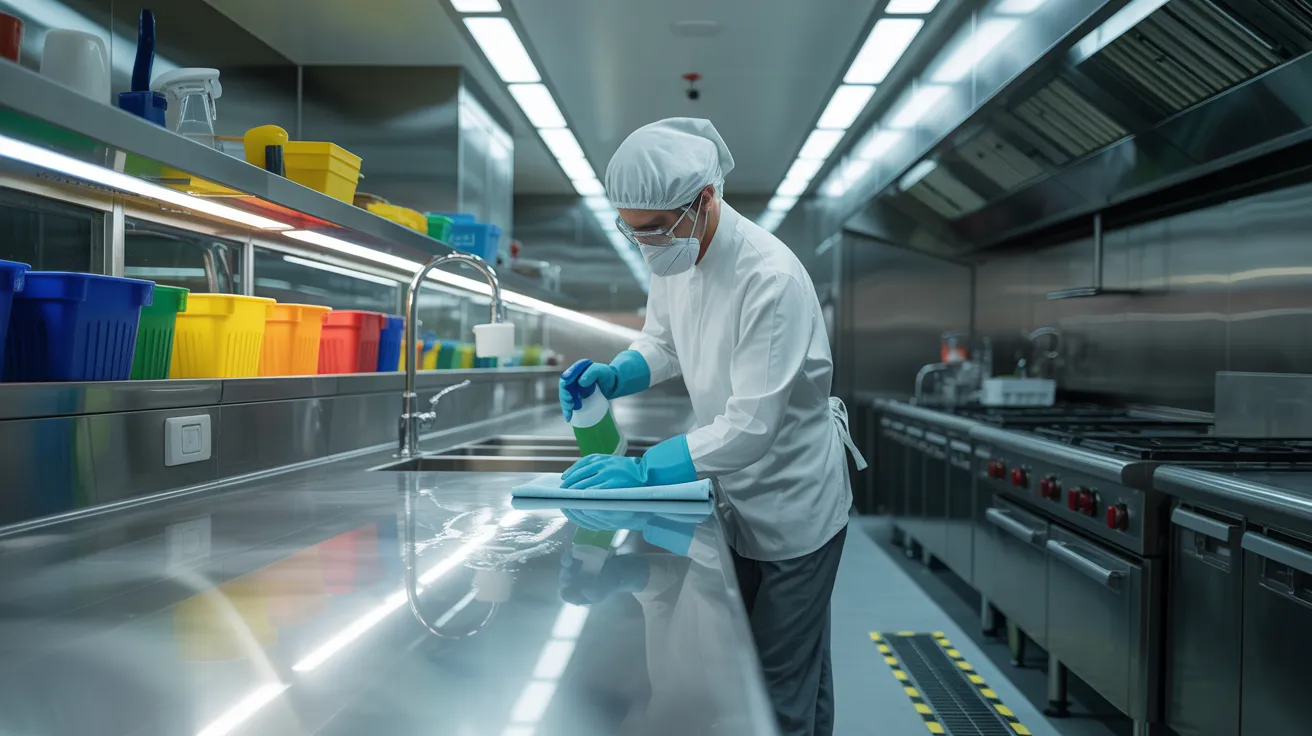
Main Points
- Food safety cleaning specialists from Brampton work with restaurants, grocery departments, commissaries, warehouses, bakeries, schools, mobile vendors, and allergen-sensitive operations.
- High-touch surfaces, food-contact equipment, kitchens, floors, drains, restrooms, and storage areas are treated using compartmentalized approaches to reduce cross-contamination.
- Verification of proper chemical concentration, appropriateness, and contact time is conducted by qualified providers, with completion documented using swabs, assessments, and remedial documentation.
- Regular, periodic, and annual tasks assigned by section form cleaning timelines grounded on risk, output capacity, switches, releases, and requirements.
- Emphasize providers exhibiting hazard analysis knowledge, health regulatory knowledge, safety training training, coverage, testimonials, colour-coded tools, and compliance-ready cleaning records.
Which Brampton Operations Need Food Safety Cleaning?
You must maintain food safety cleaning if your establishment is falls under public health review, food regulations, or HACCP systems. This covers restaurants, cafeterias, commissaries, grocery food departments, butcher shops, seafood counters, convenience stores, and institutional kitchens.
You'll additionally need adherent sanitation standards in distribution warehouses, production plants, frozen storage areas, commercial bakeries, educational meal programs, banquet venues, and food delivery services. Seasonal and mobile ventures matter as well, examples being food trucks, event sellers, and temporary stalls. When your employees work with ingredients, section ready-to-serve foods, heat meals, or keep allergens stored, your establishment requires documented cleaning protocols. In Brampton, sanitation remains compulsory; it constitutes regulatory, business, and safety adherence.
What Do Brampton Cleaning Professionals Handle?
Your operation needs cleaning professionals who sanitize all high-touch areas, cooking and food prep areas, all floor types, and toilet facilities for food safety and health code adherence. These zones receive attention due to their elevated cross-contamination potential, hazardous walking conditions, and violations of hygiene standards.
By knowing exactly what gets cleaned, you are able to confirm your operation's sanitation protocols meet compliance standards.
Disinfecting High-Touch Areas
implement a cleaning frequency
confirm that sanitization has effective
Food Prep Areas, Flooring, and Sanitary Facilities
Brampton cleaning professionals will address kitchens, floors, and restrooms since each space presents different food safety concerns, slip-and-fall, and public health challenges. In industrial kitchens, you need grease removal from cooking stations, appliance surfaces, drain systems, preparation areas, and backsplashes to reduce contamination and pest pressure.
Floor care that is documented should also be anticipated. Technicians scrub and extract buildup from grout, tile, and vinyl flooring, then apply suitable dehydration methods so you can reduce slip incidents and maintain code-compliant conditions. They also address entry points where dampness and dirt enter the building.
For restroom sanitation, cleaners sanitize high-touch surfaces, bathroom fixtures, stall dividers, supply dispensers, and trash receptacles, then restock supplies and control odours. They also service restaurant moprooms, where chemical storage, sink hygiene, and drainage conditions can affect sanitation compliance and staff safety daily.
The Importance of Food Safety Cleaning in Brampton
To adhere to regulatory mandates and pass inspections, Brampton establishments must maintain appropriate cleaning protocols. You also minimize bacterial spread through proper cleaning of food-preparation surfaces, appliances, and frequently-touched items. Most importantly, you help protect public health by lowering the risk of foodborne illness in your facility.
Food Safety Regulations
Since Brampton food establishments must follow strict public health standards, your cleaning procedures directly determines your competence to adhere to health codes, ensure the safety of diners, and prevent regulatory penalties. You must maintain clean food preparation areas, verifiable cleaning logs, correct sanitizer application, and traceable training practices that meet municipal and provincial inspection expectations.
When inspectors assess your operation, they determine whether your sanitation system supports safe storage, tool sterilization, trash control, and facility cleanliness.
Contamination Management
Following regulatory requirements depends on your ability to prevent cross-contamination in daily food handling and cleaning. You must separate raw ingredients from ready-to-eat foods, disinfect work areas after use, and maintain separation of cleaning visit now products from food. Clear procedures reduce transfer risks and support consistent compliance during inspections.
Building allergen isolation prevents key allergens from reaching common workstations, storage, or apparatus. Utilize dedicated cutting boards, color-coded tools, and precise instrument labeling so staff don't mix items in cooking or serving.Mandate hand cleaning following uncooked meats, shellfish, egg items, or allergen substances. Swap wiping cloths regularly, and confirm disinfectant efficacy using test strips. When your team follows these practices each shift, you create a cleaner, safer operation that meets Brampton's food safety expectations consistently.
Community Health Assurance
When food safety cleaning deteriorate, you don't only risk a failed inspection—you raise the likelihood of food contamination affecting customers, staff, and the larger Brampton community. You also undermine your responsibility in protecting public health, especially in high-traffic food premises where contamination can spread quickly through surfaces, equipment, and touchpoints.
You need cleaning protocols that remove soils, sanitize correctly, and confirm effectiveness. That requires adhering to exposure periods, using approved disinfectants, documenting schedules, and training staff to meet health-unit expectations. These controls support pathogen reduction by reducing pathogens before they reach food or hands. In Brampton, rigorous cleaning shields at-risk groups, limits outbreak potential, and enables you to show due diligence. When you clean to standard, you don't just meet regulations—you actively reduce risk and support safer food service throughout the region.
How Can Cleaning Practices Ensure Food Safety Compliance?
Maintaining thorough cleaning protocols promotes food safety compliance by lowering contamination exposure, limiting pathogen development, and keeping your facility compliant with sanitation requirements under HACCP-based programs and public health regulations. You validate that contact surfaces are visibly clean and microbiologically controlled, enabling documented preventive controls and inspection readiness.
Cleaning efforts additionally fortify allergen mitigation by clearing residues that can trigger undeclared allergen exposure.
What's the Right Time to Schedule Commercial Cleaning?
You'll achieve the best results from cleaning plans that reflect risk levels, output volume, and legal mandates rather than a rigid calendar system alone.
Establish weekly or every month service for drain systems, vents, storage racks, and difficult-to-access zones, based on inspection data and sanitation documentation. Reserve seasonal deep cleaning for shutdowns, weather-related soil buildup, or pest-pressure periods
How Do You Choose Brampton Cleaning Experts?
Screen providers initially by their food-safe sanitation requirements—not budget alone. You need to verify that every company meets CFIA, public health, and HACCP-aligned expectations for your operation. Demand insurance verification, WHMIS compliance, training records, and management systems. Evaluate technician knowledge of contamination dangers, chemical safety, and documented sanitation practices.
You should also assess business dependability and accountability. Request references from food facilities in Brampton, then examine turnaround periods, corrective actions, and communication standards. Confirm the company supports supplier audits and can present audit-ready records when regulators or third parties request evidence. Check whether equipment maintenance is performed, colour-coded tools are used appropriately, and facility-specific risks are recognized. A qualified provider protects regulatory adherence, product integrity, and your brand reputation.
Which components are contained in a hygiene cleaning program?
Write out a framework that defines every sanitation activity, guideline, and role before starting production. You should record cleaning frequencies, approved chemicals, dilution rates, contact times, tools, and verification methods for each zone, surface, and piece of equipment. Remember to add pre-operational inspections, corrective actions, and employee training requirements.
Your plan should also cover cross-contamination prevention, waste disposal, pest management measures, and scheduled documentation for restrooms, drains, floors, and food-contact areas. Clarify how you'll separate raw and ready-to-eat processes, support ingredient tracking, and copyright accurate allergen labeling through validated cleaning between product changes. You should establish accountability, preserve signed records, and check results against regulatory standards, HACCP controls, and customer requirements. When gaps appear, adjust procedures immediately and re-educate staff.
Frequently Posed Questions about the Plan
Can sanitation providers support overnight shifts in Brampton facilities?
If you manage regulated spaces, you'll also need documentation that support audits and maintain assurance.
Can sanitation professionals manage hazardous incidents?
Yes, you can find Brampton sanitation professionals to offer emergency spill response solutions. They manage hazardous materials, assess risks, contain contamination, and begin swift cleanup to reduce exposure and operational disruption. You should confirm their response times, training certifications, safety procedures, and waste management. If your facility must meet health or food safety regulations, choose a provider that records events, follows compliant sanitation standards, and enables compliance verification.
Do plant-based disinfectants operate safely on food-handling equipment?
Yes, green disinfectants can be secure for surfaces contacting food if you choose disinfectants approved for food contact and satisfying regulatory requirements. You should confirm application timing, dilution rates, and rinse procedures before deployment. Many plant-derived products decrease toxic chemical contact, but you must obtain evidence of effectiveness against specific pathogens. To maintain residue free surfaces, you should follow precise manufacturer instructions and verify the disinfecting agent complies with applicable food industry sanitation standards.
Will sanitation programs adjust for seasonal production changes?
Without question, cleaning plans customize readily for seasonal production changes. Modify intervals, staffing, chemicals, and validation steps to correspond to production rhythms while sustaining regulatory requirements. Reduce operational delays by organizing sanitation surrounding line changes, peak seasons, and usage cycles. Additionally revise standard operating procedures, staff education, and facility monitoring to capture transient threats, novel allergens, or elevated soil levels. Periodic assessments maintain your plan effective.
Do professional cleaning services train staff on sanitation best practices?
Yes, professional cleaning services often train your team on sanitation best practices. You get staff training on correct chemical application, contact times, cross-contamination prevention, machine breakdown, and record keeping. They typically align instruction with HACCP, GMP, and CFIA or local public health requirements. Many also conduct sanitation audits to confirm adherence, spot deficiencies, and strengthen remedial steps. This allows you to maintain consistent procedures, succeed in audits, and minimize contamination hazards regularly.
Closing Remarks
When you work with Brampton food safety and commercial cleaning experts, you aren't merely cleaning—you maintain your facility audit-prepared and your standards compliant. From processing areas to kitchen spaces, every clean surface and maintained area helps reduce pest intrusion and avoid expensive problems. By arranging cleanings at the right intervals and following a clear cleaning plan, you protect employees, customers, and your brand image. In a tightly regulated environment, sanitary conditions are essential—they're part of doing business right.